
In the volatile world of cryptocurrency trading, many seek an edge to boost profits. Crypto trading signals promise to deliver exactly that – actionable tips sent directly to your inbox or phone. But can these signals consistently beat the market? Or are they a waste of money? This article explores whether crypto signals are reliable and worth pursuing.
Table Of Contents
The Appeal of Crypto Signals
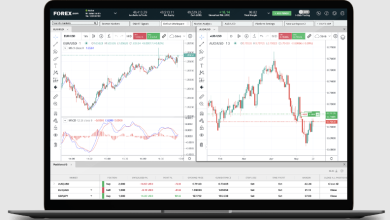
First, what are crypto trading signals? Essentially, they are trade recommendations produced by an analyst or algorithm. The signal advises entering or exiting a cryptocurrency trade at a specified price target. Signals aim to identify opportunities ahead of major price swings.
This data can be tempting for newbie traders. After all, crypto charts can seem intimidating to beginners. Signals reduce the workload, providing easy-to-act-on suggestions. This simplification is the main appeal of crypto signals.
Many also view signals as a way to leverage expert knowledge. Analysts may spot chart patterns and indicators that amateurs miss. If these experts have a solid track record, their signals could offer an invaluable edge. This is likely why signals have exploded in popularity recently.
Key Factors in Signal Reliability
But are crypto signals actually reliable? This depends on several key factors. First is the skill of the analyst or effectiveness of the algorithm generating the signals. An unskilled analyst making random predictions will clearly lack reliability.
Second is risk management. Even the best analyst can be wrong sometimes. Effective crypto signals will have proper stop losses and risk mitigation built in.
The third factor is transparency. Reputable signal providers share historical performance data and are clear about any fees. Beware of opaque signals with unrealistic win rates.
Evaluating Popular Signal Providers
So which signal providers stack up? Let’s evaluate a few top names.
CryptoHopper offers bot-driven signals generated by technical analysis algorithms. The platform claims regular returns of up to 300%. However, users note some provided signals seem arbitrarily generated.
eToro’s CopyTrader displays performance data for each popular investor you can copy. This transparency is appealing. However, copied signals lag slightly behind real-time trades.
TradingView has a large analyst community with idea-sharing. You can view historical performance before following any analyst. But low barriers to entry mean uneven quality.
On Balance Volatility uses volatility indicators for algorithmic signals. They offer a free trial for basic signals. However, subscription fees for unlimited signals are expensive.
As this breakdown shows, even vetted crypto signal providers vary wildly in reliability and return on investment. There is no universal best signal provider.
Can Crypto Signals Consistently Beat the Market?
This leads to the bigger question – can signals reliably outperform the market over time? The evidence here is lacking.
No signal provider has furnished verified long-term returns dramatically exceeding benchmarks like BTC or ETH. Crypto markets tend to be fairly efficient, making huge excess gains rare.
There are also risks in over-relying on signals for trades. You lose learning opportunities and the chance to develop your own strategy. And if the signal provider’s performance drops, you may be left scrambling.
For these reasons, crypto signals are generally not a substitute for doing your own due diligence. They can supplement your own analysis but should not be solely relied upon.
Maximizing the Value of Trading Signals
Does this mean crypto signals are worthless? Not necessarily. There are ways to maximize their value:
- Use signals to confirm your own analysis, not replace it. If a signal aligns with your findings, that lends more weight.
- Understand the analysis behind the signal. Don’t blindly follow tips you don’t understand.
- Start with small position sizes to evaluate signal performance. Don’t go all-in right away.
- Have a stop-loss in place in case the signal is wrong. Manage risk accordingly.
- Look for signals as an educational tool. Quality analysts explain the reasoning behind tips.
- Combine multiple signal sources for more robustness. Never depend on a single provider.
Used correctly in this manner, crypto signals can be a useful addition but not a silver bullet.
The Bottom Line
Crypto trading signals offer the appeal of actionable tips from experts. However, their reliability and profitability vary significantly. While signals may confer a slight edge, they are no substitute for personal strategy and analysis.
With care taken to manage risk, research providers thoroughly, and use signals to complement your own work, they can be modestly beneficial. But the effort may not be rewarding for all traders. Weigh the costs against potential gains for your needs and style.
Used judiciously, crypto signals can boost insights without detracting from your own learning. But relying solely on external advice is unlikely to beat the market consistently. In cryptocurrency trading, education and self-improvement remain the surest paths to profit.